
Introduction
Imagine two commercial buildings constructed in the same city using similar designs and materials. Five years later, one building continues to perform efficiently with minimal maintenance, while the other experiences frequent pipeline leaks, corrosion, and costly repairs. One of the major reasons behind this difference is the choice of piping system.
Selecting the correct class of Tata GI Pipes is not simply about purchasing steel pipes—it is about ensuring safety, durability, operational efficiency, and long-term value. Whether you’re building a factory, installing a water supply network, developing commercial infrastructure, or working on industrial utilities, understanding the differences between Light, Medium, and Heavy Class Tata GI Pipes helps you choose the most suitable solution for your project’s specific requirements.
At Kedia Pipes, we have extensive experience supplying genuine Tata GI Pipes for industrial, commercial, and infrastructure projects across Eastern India. This guide explains the key differences, applications, and benefits of each pipe class to help you make an informed decision.
Target Audience : Industrial Project Managers, Civil Engineers, Architects, Builders, Plumbing Contractors, Infrastructure Developers, Manufacturing Companies, Commercial Building Owners, Government Contractors, Industrial Procurement Teams
What Are Tata GI Pipes?
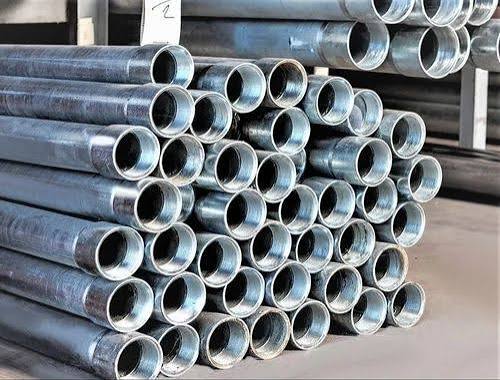
Tata GI Pipes are premium galvanized iron pipes manufactured using high-quality steel and protected with a zinc coating to resist corrosion. These pipes are engineered for dependable performance across a wide range of industrial, commercial, residential, and infrastructure applications.
Their combination of strength, durability, and corrosion resistance makes them suitable for:
- Water supply systems
- Plumbing installations
- Firefighting pipelines
- Industrial process lines
- Structural applications
- Agricultural irrigation
- Commercial buildings
- Manufacturing facilities
Available in multiple sizes and pressure ratings, Tata GI Pipes are designed to meet varying project requirements while ensuring long-term reliability.
What Do Light, Medium & Heavy Class GI Pipes Mean?
GI Pipes are categorized into Light, Medium, and Heavy Classes based on their wall thickness, pressure-handling capability, and intended application.
Choosing the correct class ensures:
- Better safety
- Improved performance
- Longer service life
- Lower maintenance costs
- Greater project efficiency
Each class is designed for specific operating conditions and load requirements.
Light Class Tata GI Pipes
Light Class GI Pipes have comparatively thinner walls and are intended for applications with lower pressure demands.
Typical Applications
- Residential plumbing
- Low-pressure water distribution
- Temporary installations
- Small commercial buildings
- Garden irrigation
- Drainage systems
Advantages
- Lightweight
- Easy to transport
- Faster installation
- Economical
- Suitable for low-pressure systems
However, they are generally not recommended for heavy industrial applications or high-pressure environments.
Medium Class Tata GI Pipes
Medium Class GI Pipes offer an excellent balance between strength, durability, and cost-effectiveness.
These pipes are among the most widely used across industrial and commercial sectors.
Ideal Applications
- Commercial complexes
- Medium-pressure plumbing systems
- Manufacturing facilities
- Institutional buildings
- Warehouses
- Industrial utilities
Benefits
- Improved strength
- Better pressure resistance
- Enhanced durability
- Long service life
- Cost-efficient performance
For many businesses, Medium Class pipes provide the ideal combination of performance and value.
Heavy Class Tata GI Pipes
Heavy Class GI Pipes feature thicker walls, making them suitable for high-pressure and demanding operating conditions.
Common Applications
- Industrial plants
- Firefighting systems
- High-pressure water pipelines
- Infrastructure projects
- Chemical processing facilities
- Heavy engineering applications
- Government infrastructure
Advantages
- Maximum structural strength
- Superior pressure handling
- Outstanding durability
- Better impact resistance
- Long operational lifespan
Although they involve a higher initial investment, Heavy Class pipes often deliver lower lifecycle costs due to their durability and reduced maintenance needs.
Key Differences Between Light, Medium & Heavy Class GI Pipes
| Feature | Light Class | Medium Class | Heavy Class |
|---|---|---|---|
| Wall Thickness | Thin | Moderate | Thick |
| Pressure Capacity | Low | Medium | High |
| Weight | Light | Moderate | Heavy |
| Durability | Good | Very Good | Excellent |
| Industrial Use | Limited | Extensive | Heavy Duty |
| Maintenance | Moderate | Low | Very Low |
| Service Life | Good | Long | Very Long |
| Cost | Economical | Balanced | Premium |
Common Applications of Each GI Pipe Class
Selecting the correct pipe class improves operational efficiency and project reliability.
Light Class
- Residential plumbing
- Temporary water lines
- Small commercial installations
- Low-pressure irrigation
Medium Class
- Commercial buildings
- Hotels
- Educational institutions
- Warehouses
- Manufacturing units
Heavy Class
- Factories
- Industrial processing plants
- Firefighting systems
- Municipal infrastructure
- High-pressure utility networks
Choosing the appropriate class ensures better performance while minimizing future maintenance costs.
Signs You’re Choosing the Wrong Pipe Class
Using an unsuitable GI Pipe class can result in operational issues and increased expenses.
Watch for these warning signs:
- Frequent pipeline leaks
- Excessive corrosion
- Pipe deformation
- Pressure-related failures
- High maintenance costs
- Reduced water flow
- Premature replacements
- Unexpected downtime
Selecting the correct Tata GI Pipe class from the beginning helps avoid these challenges and supports the long-term success of your industrial or commercial project.
Benefits of Choosing the Right Tata GI Pipe Class
Selecting the appropriate Tata GI Pipe class is more than a technical decision—it directly impacts the performance, safety, maintenance costs, and lifespan of your entire piping system. Whether you’re planning a residential plumbing network, a commercial building, or a large industrial facility, choosing the correct pipe class ensures reliable and efficient operation for years to come.
Improved Durability
Different projects have different operational demands. Choosing the right GI Pipe class ensures that the piping system can withstand the intended pressure, environmental conditions, and daily usage without premature wear.
Benefits include:
- Increased structural integrity
- Better resistance to physical damage
- Fewer replacements
- Improved long-term reliability
- Consistent performance
Heavy-duty applications particularly benefit from Heavy Class Tata GI Pipes due to their superior wall thickness and strength.
Better Corrosion Resistance
Although all Tata GI Pipes are protected with high-quality galvanization, selecting the appropriate class enhances overall durability in specific environments.
Properly selected GI Pipes perform better in:
- Humid climates
- Industrial environments
- Water supply systems
- Outdoor installations
- Commercial infrastructure
Reduced corrosion helps maintain water quality and minimizes maintenance costs over the pipe’s lifespan.
Cost-Effective Performance
Many buyers focus only on initial purchase cost, but the true value of GI Pipes lies in their lifecycle performance.
Choosing the correct class helps reduce:
- Frequent repairs
- Emergency replacements
- Labour expenses
- Operational downtime
- Maintenance budgets
Investing in the right pipe class from the beginning often results in significant long-term savings.
Enhanced Safety and Reliability
Industrial and commercial projects demand dependable piping systems capable of operating safely under varying pressure conditions.
Selecting the correct Tata GI Pipe class provides:
- Reliable pressure handling
- Reduced leakage risks
- Better structural stability
- Improved workplace safety
- Consistent operational efficiency
Reliable infrastructure protects both people and business operations.
Longer Service Life
A correctly selected GI Pipe experiences less stress during operation, resulting in a considerably longer lifespan.
Advantages include:
- Stable performance over many years
- Reduced replacement frequency
- Better return on investment
- Lower lifecycle costs
- Sustainable infrastructure development
Durable piping systems also reduce material waste and support environmentally responsible construction.
Easier Maintenance
Properly specified GI Pipes require less maintenance because they operate within their intended performance limits.
Benefits include:
- Fewer inspections
- Reduced repair work
- Lower maintenance expenditure
- Improved system efficiency
- Minimal operational disruption
This is especially valuable for industries where downtime directly affects productivity.
Real-World Example
A commercial warehouse development in Eastern India initially considered installing Light Class GI Pipes to reduce project costs. During the design review, engineers identified that the facility’s water distribution and firefighting systems required higher pressure capacity.
After consulting with the supplier, the project switched to Medium and Heavy Class Tata GI Pipes where appropriate.
Following completion, the project experienced:
- Reliable water pressure
- Minimal maintenance
- Excellent corrosion resistance
- Reduced operating costs
- Long-term system reliability
The decision to choose the correct pipe class improved both safety and lifecycle performance while avoiding expensive future repairs.
Practical Tips Before Buying Tata GI Pipes
Before selecting GI Pipes for your project, consider the following recommendations:
- Understand your project’s pressure requirements.
- Select the correct pipe class for the intended application.
- Purchase genuine Tata GI Pipes from authorised suppliers.
- Verify pipe dimensions and specifications.
- Consider environmental exposure such as moisture or chemicals.
- Choose the appropriate diameter and wall thickness.
- Consult experienced engineers or suppliers before purchasing.
- Focus on long-term value rather than only the lowest price.
Proper planning helps prevent costly mistakes later.
Prevention Tips
Follow these best practices to maximise the lifespan and performance of Tata GI Pipes:
- Store pipes in a dry, covered area.
- Protect galvanized surfaces during transportation.
- Use compatible fittings and accessories.
- Ensure professional installation.
- Conduct periodic inspections.
- Repair minor damage promptly.
- Avoid overloading pipes beyond their designed pressure limits.
- Follow manufacturer installation guidelines.
Preventive maintenance significantly improves operational reliability.
Common Mistakes to Avoid
Many pipeline failures occur due to avoidable purchasing or installation mistakes.
Avoid the following:
- Selecting pipes based only on price
- Ignoring pressure ratings
- Choosing incorrect pipe classes
- Buying products from unverified suppliers
- Poor installation practices
- Skipping routine inspections
- Neglecting maintenance schedules
- Using damaged pipes in critical applications
These errors can increase maintenance costs and reduce system lifespan.
Expert Advice
Industry professionals recommend evaluating the complete project requirement before selecting any GI Pipe class.
Consider factors such as:
- Operating pressure
- Water quality
- Environmental conditions
- Industrial or commercial usage
- Future expansion requirements
- Maintenance accessibility
- Compliance with applicable standards
Working with an experienced supplier like Kedia Pipes helps ensure you receive genuine Tata GI Pipes along with technical guidance to select the most suitable Light, Medium, or Heavy Class solution for your application.
Future Outlook
As infrastructure development accelerates across India, demand for high-quality galvanized steel piping continues to grow.
Future trends include:
- Sustainable construction practices
- Smart water management systems
- Advanced corrosion-resistant technologies
- Improved galvanization techniques
- Higher-quality manufacturing standards
- Increased focus on lifecycle cost optimisation
- Eco-friendly infrastructure solutions
Tata GI Pipes are expected to remain a preferred choice for projects requiring strength, durability, and long-term performance.
Conclusion
Understanding the differences between Light, Medium, and Heavy Class Tata GI Pipes is essential for selecting the right solution for any residential, commercial, industrial, or infrastructure project. Each class is designed to meet specific pressure, durability, and operational requirements, ensuring reliable performance and long service life when used appropriately.
By choosing genuine Tata GI Pipes through a trusted supplier like Kedia Pipes, customers gain access to quality products, technical expertise, and dependable service that support safe, efficient, and cost-effective construction projects across Eastern India.
Final Thought
“The right GI Pipe class isn’t just a material choice—it is the foundation of a stronger, safer, and more durable infrastructure built to perform for decades.”
FAQs
1. What is the difference between Light, Medium, and Heavy Class Tata GI Pipes?
The primary difference lies in their wall thickness, pressure-handling capacity, and intended applications. Light Class pipes are suitable for low-pressure residential use, Medium Class pipes are ideal for commercial and medium-duty industrial applications, while Heavy Class pipes are designed for high-pressure industrial systems, firefighting networks, and infrastructure projects requiring maximum durability.
2. Which Tata GI Pipe class is best for industrial projects?
Heavy Class Tata GI Pipes are generally preferred for industrial projects that involve high-pressure water supply, manufacturing plants, utility pipelines, and structural applications. Medium Class pipes are also suitable for many commercial and industrial installations with moderate pressure requirements.
3. How do I choose the correct Tata GI Pipe class for my project?
Choose the pipe class based on:
- Operating pressure
- Type of application
- Environmental conditions
- Water flow requirements
- Structural load
- Installation location
- Expected service life
Consulting an experienced supplier like Kedia Pipes can help ensure the correct selection.
4. Are Tata GI Pipes corrosion resistant?
Yes. Tata GI Pipes are protected with a high-quality zinc galvanization coating that provides excellent resistance against rust, moisture, and environmental corrosion. This makes them suitable for plumbing, industrial utilities, commercial buildings, and outdoor infrastructure.
5. Why is selecting the right GI Pipe class important?
Using the correct pipe class improves:
- Safety
- Pressure handling
- Durability
- Operational efficiency
- Maintenance costs
- Long-term performance
Incorrect pipe selection may lead to leaks, premature failures, and increased repair expenses.
6. What industries commonly use Tata GI Pipes?
Tata GI Pipes are widely used in:
- Industrial manufacturing
- Commercial buildings
- Residential construction
- Warehouses
- Firefighting systems
- Water supply projects
- Agriculture
- Infrastructure development
- Government projects
Their versatility makes them suitable for a broad range of applications.
7. Why choose Kedia Pipes for Tata GI Pipes in Eastern India?
Kedia Pipes is a trusted supplier of genuine Tata GI Pipes, offering reliable product availability, technical guidance, competitive pricing, and dependable customer support. With years of industry experience, Kedia Pipes serves industrial, commercial, and infrastructure projects across Eastern India with quality steel solutions.
Kedia Pipes-Style Call-to-Action
🛑 Don’t let the wrong GI Pipe selection increase maintenance costs, reduce system efficiency, or compromise your project’s safety.
🏗️ Choose genuine Tata GI Pipes from Kedia Pipes for reliable performance, superior corrosion resistance, long service life, and dependable quality across residential, commercial, industrial, and infrastructure projects.
📩 If you found this guide helpful, share it with engineers, architects, contractors, builders, project consultants, plumbing professionals, developers, infrastructure planners, and business owners to help them make informed decisions when selecting Tata GI Pipes.
💬 Have questions about choosing the right Light, Medium, or Heavy Class Tata GI Pipe? Contact our experienced team for expert guidance and product recommendations tailored to your project requirements.
📞 Contact Kedia Pipes
📍 Serving Across Eastern India
📞 Call:
+91-9831282878
+91-9831007555
+91-8420007174
🌐 Visit:
www.kediapipes.com
📩 Email:
ajay.agarwal@kediapipes.com
bijit.sarswat@kediapipes.com
Tata GI Pipes | Light Class GI Pipes | Medium Class GI Pipes | Heavy Class GI Pipes | GI Pipe Supplier Kolkata | Tata GI Pipe Dealer | Galvanized Iron Pipes | Industrial GI Pipes | Commercial GI Pipes | Plumbing Pipes | Water Supply Pipes | Construction Steel Pipes | Corrosion Resistant Pipes | Tata Steel Pipes | Durable GI Pipes | Infrastructure Pipes | Industrial Piping Solutions | Steel Pipe Supplier India | Kedia Pipes | Tata GI Pipe Distributor