
The construction industry is undergoing a significant transformation as developers increasingly prioritize speed, efficiency, sustainability, and cost control. Among the most influential advancements in modern building practices is prefabricated construction, a method that involves manufacturing building components off-site and assembling them at the project location. This approach significantly reduces construction timelines while improving quality and reducing waste.
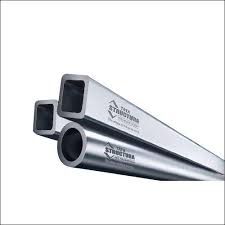
At the core of many prefabricated construction projects are Structural Steel Pipes, which provide the strength, flexibility, and durability needed to support modern structures. Market research indicates that the global prefabricated construction market continues to grow due to urbanization, industrial expansion, infrastructure investments, and increasing demand for sustainable building solutions.
Structural steel pipes play a critical role in enabling prefabricated construction by serving as essential components in frameworks, support systems, roofing structures, industrial buildings, warehouses, and commercial developments.
With over 50 years of expertise in steel solutions, Kedia Pipes supports prefabricated construction projects across Eastern India through premium-quality structural steel products.
Understanding Prefabricated Construction
Prefabricated construction involves manufacturing structural components in a controlled factory environment before transporting them to the construction site for assembly.
Common prefabricated structures include:
- Warehouses
- Industrial sheds
- Manufacturing facilities
- Commercial buildings
- Logistics parks
- Infrastructure projects
- Agricultural structures
This construction method improves efficiency while minimizing on-site labor requirements.
Growing Market Demand for Prefabrication
According to industry reports, prefabricated construction is gaining momentum because of:
- Rapid urbanization
- Industrial expansion
- Infrastructure modernization
- Rising labor costs
- Demand for faster project delivery
- Sustainability requirements
Governments and private developers increasingly adopt prefabricated methods to accelerate project completion and improve cost efficiency.
Why Structural Steel Pipes Are Essential
Structural steel pipes serve as the backbone of prefabricated construction systems.
Their unique characteristics make them ideal for modern construction applications.
High Strength-to-Weight Ratio
Structural steel pipes provide exceptional strength while maintaining relatively low weight.
Benefits include:
- Reduced structural load
- Easier transportation
- Efficient design flexibility
- Lower foundation costs
As a result, prefabricated structures become more economical and efficient.
Superior Structural Stability
Prefabricated buildings require reliable structural frameworks.
Steel pipes provide:
- High load-bearing capacity
- Excellent rigidity
- Enhanced safety
- Long-term performance
This makes them suitable for demanding industrial and commercial applications.
Key Roles of Structural Steel Pipes in Prefabricated Construction
Building Frameworks
Steel pipes are commonly used for:
- Columns
- Beams
- Trusses
- Bracing systems
These components create the structural skeleton of prefabricated buildings.
Roofing Support Systems
Industrial and commercial roofing systems depend heavily on structural steel pipe frameworks.
Benefits include:
- Strong roof support
- Large clear spans
- Reduced structural weight
- Improved building efficiency
Pre-Engineered Buildings (PEBs)
PEB construction relies extensively on structural steel components.
Steel pipes help create:
- Industrial facilities
- Warehouses
- Logistics parks
- Manufacturing units
Their strength and adaptability support rapid construction timelines.
Modular Construction Systems
Modular construction requires precision-engineered components that fit together accurately.
Structural steel pipes offer:
- Dimensional consistency
- Easy fabrication
- Efficient assembly
- Reliable structural performance
Consequently, modular projects benefit from faster installation and improved quality.
Benefits of Structural Steel Pipes in Prefabricated Projects
Faster Construction
One of the biggest advantages of prefabrication is speed.
Structural steel pipes facilitate:
- Faster manufacturing
- Simplified assembly
- Reduced on-site work
- Shorter project timelines
This allows facilities to become operational sooner.
Precision Manufacturing
Factory-produced steel pipes offer consistent dimensions and quality.
Advantages include:
- Better fit-up
- Reduced errors
- Improved project accuracy
- Lower material wastage
Design Flexibility
Modern projects often require customized solutions.
Steel pipes support:
- Complex architectural designs
- Large-span structures
- Multi-purpose facilities
- Future expansion capabilities
This flexibility makes them highly valuable in modern construction.
Cost Efficiency
Prefabricated construction aims to optimize budgets.
Structural steel pipes contribute to savings through:
- Reduced labor costs
- Faster installation
- Lower maintenance requirements
- Improved resource utilization
As a result, overall project economics improve significantly.
Applications Across Industries
Industrial Buildings
Factories and production facilities require strong and reliable structural systems.
Structural steel pipes provide the durability needed for demanding industrial environments.
Warehouses
Warehouses benefit from large-span steel structures that maximize storage capacity.
Logistics Parks
The growth of e-commerce has increased demand for modern logistics facilities built using prefabricated steel systems.
Commercial Buildings
Commercial developments utilize steel pipes for both structural support and architectural aesthetics.
Infrastructure Projects
Bridges, transportation facilities, utility structures, and public projects increasingly depend on prefabricated steel construction.
Sustainability Benefits
Environmental responsibility is becoming increasingly important in construction.
Structural steel pipes support sustainability through:
Recyclability
Steel is fully recyclable without losing structural properties.
Reduced Construction Waste
Factory-controlled production minimizes material wastage.
Efficient Material Usage
High-strength steel allows optimized structural designs.
Longer Building Lifespan
Durable structures require fewer repairs and replacements over time.
These advantages contribute to greener construction practices.
Future of Prefabricated Construction
Industry forecasts suggest strong growth for prefabricated construction due to:
- Smart city development
- Industrial corridor expansion
- Warehouse and logistics growth
- Infrastructure modernization
- Sustainable construction initiatives
As demand grows, structural steel pipes will remain a fundamental component of prefabricated building systems.
Why Choose Kedia Pipes?
For decades, Kedia Pipes has supplied trusted steel solutions across Eastern India.
Premium Structural Steel Products
High-quality steel products designed for strength, durability, and performance.
Industry Expertise
Extensive knowledge of industrial, commercial, and infrastructure requirements.
Strong Regional Presence
Serving:
- West Bengal
- Bihar
- Jharkhand
- Odisha
- Assam
- North East India
Customer-Focused Support
Professional guidance to help customers select appropriate structural steel solutions.
Conclusion
Prefabricated construction depends heavily on structural steel pipes for strength, efficiency, flexibility, and long-term reliability. From industrial facilities and warehouses to commercial developments and infrastructure projects, steel pipes form the foundation of modern prefabricated building systems.
As construction continues to evolve toward faster and more sustainable methods, structural steel pipes will remain essential to delivering future-ready infrastructure. With premium products, extensive expertise, and reliable service, Kedia Pipes continues to support the growing demand for prefabricated construction solutions across Eastern India.
Stronger Steel. Faster Construction. Smarter Infrastructure with Kedia Pipes.
FAQs
1. Why are structural steel pipes important in prefabricated construction?
They provide strength, stability, precision, and efficient assembly for prefabricated building systems.
2. Which prefabricated structures commonly use steel pipes?
Warehouses, factories, logistics parks, commercial buildings, industrial sheds, and infrastructure projects.
3. How do structural steel pipes accelerate construction timelines?
They simplify fabrication and assembly, reducing on-site construction time significantly.
4. Are structural steel pipes suitable for large-span buildings?
Yes, they offer excellent load-bearing capacity and support large clear-span structures.
5. How do steel pipes improve prefabricated building durability?
Their strength, corrosion resistance, and structural integrity ensure long-term performance.
6. Do structural steel pipes support sustainable construction?
Yes, steel is recyclable, resource-efficient, and helps reduce construction waste.
7. Why do prefabricated building manufacturers prefer structural steel pipes?
They provide dimensional accuracy, design flexibility, cost efficiency, and reliable structural performance.
📞Contact Kedia Pipes
📍 Serving Across Eastern India
📞 Call: +91-9831282878 / 9831007555 / 8420007174
🌐 Visit: www.kediapipes.com
📩 Email: ajay.agarwal@kediapipes.com | bijit.sarswat@kediapipes.com
Structural Steel Pipes | Prefabricated Construction | Steel Pipe Construction | Prefab Building Solutions | Industrial Steel Structures | Warehouse Construction Systems | Pre Engineered Buildings | Structural Steel Fabrication | Modular Construction Solutions | Commercial Steel Buildings | Infrastructure Steel Projects | High Strength Steel Pipes | Sustainable Construction Materials | Industrial Construction Solutions | Steel Framework Systems