
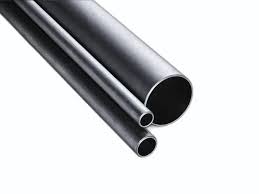
Modern architecture is defined by innovation, efficiency, sustainability, and structural excellence. From iconic commercial towers and industrial facilities to airports, stadiums, logistics hubs, and smart city developments, today’s architectural designs demand materials that combine strength, durability, flexibility, and aesthetic appeal. Among the most important materials driving this transformation are High-Strength Structural Pipes.
Market research indicates that the global structural steel market continues to grow as urbanization, infrastructure development, and sustainable construction practices gain momentum. Architects and engineers increasingly prefer high-strength structural pipes because they provide superior load-bearing capacity while enabling modern, visually appealing designs.
With over 50 years of expertise in steel and infrastructure solutions, Kedia Pipes supplies premium structural steel products that support modern architectural and construction projects across Eastern India.
The Evolution of Modern Architecture
Architecture has evolved significantly over the past few decades.
Today’s projects prioritize:
- Large open spaces
- Sustainable construction
- Faster project execution
- Structural efficiency
- Architectural flexibility
- Long-term durability
To meet these requirements, designers need materials that deliver both performance and design freedom.
This is where high-strength structural pipes play a crucial role.
What Are High-Strength Structural Pipes?
High-strength structural pipes are hollow steel sections engineered to provide exceptional strength while maintaining relatively low weight.
These pipes are commonly used in:
- Commercial buildings
- Industrial facilities
- Airports
- Exhibition centers
- Warehouses
- Shopping malls
- Stadiums
- Infrastructure projects
Their structural efficiency makes them ideal for modern architectural applications.
Growing Demand for Structural Steel Solutions
According to market trends, demand for structural steel continues to increase due to:
Urban Infrastructure Expansion
Smart cities, transportation projects, and commercial developments require durable structural systems.
Industrial Growth
Manufacturing facilities, logistics parks, and warehouses depend on strong steel frameworks.
Sustainable Construction
Developers increasingly seek recyclable and resource-efficient building materials.
Modern Architectural Design
Architects require materials capable of supporting innovative and visually striking structures.
These factors continue to drive adoption of high-strength structural pipes.
Key Importance of High-Strength Structural Pipes in Modern Architecture
Superior Strength-to-Weight Ratio
One of the most significant advantages of structural pipes is their exceptional strength-to-weight ratio.
Benefits include:
- Reduced dead load
- Lower foundation costs
- Easier transportation
- Greater structural efficiency
As a result, architects can design larger and more complex structures without excessive material usage.
Enhanced Design Flexibility
Modern architecture often features:
- Large open interiors
- Long-span roofs
- Curved structures
- Innovative façades
High-strength structural pipes enable these designs by offering:
- Flexible fabrication options
- Adaptable structural systems
- Efficient load distribution
Consequently, architects gain greater creative freedom.
Large Clear-Span Structures
Many modern buildings require column-free spaces.
Examples include:
- Warehouses
- Airports
- Stadiums
- Convention centers
- Industrial facilities
Structural pipes provide the strength necessary to support wide spans while maintaining stability and safety.
Improved Aesthetic Appeal
Architectural projects increasingly emphasize appearance as well as functionality.
Structural pipes offer:
- Clean lines
- Smooth surfaces
- Modern aesthetics
- Attractive exposed steel designs
These characteristics make them popular in contemporary architectural applications.
Applications in Modern Architectural Projects
Commercial Buildings
Office complexes and commercial developments use structural pipes for:
- Building frameworks
- Roofing systems
- Architectural features
- Structural supports
Airports and Transportation Hubs
Large-span transportation facilities require durable and efficient structural systems.
Structural pipes support:
- Terminal buildings
- Walkways
- Roofing structures
- Utility frameworks
Stadiums and Sports Facilities
Sports venues often incorporate steel pipe structures to achieve expansive seating areas and roof spans.
Industrial Architecture
Factories and logistics facilities benefit from structural steel systems that combine durability and efficiency.
Public Infrastructure
Bridges, transit stations, and civic buildings increasingly rely on structural steel pipe solutions.
Durability and Long-Term Performance
Long-term structural reliability is a major concern for architects and developers.
High-strength structural pipes provide:
Excellent Load-Bearing Capacity
Capable of handling heavy operational and environmental loads.
Resistance to Structural Deformation
Maintaining stability over extended periods.
Long Service Life
Reducing maintenance and replacement requirements.
Consistent Performance
Delivering dependable structural support throughout a building’s lifecycle.
These qualities contribute significantly to project success.
Faster Construction and Project Efficiency
Construction schedules have become increasingly demanding.
Structural steel pipes support faster project completion through:
- Off-site fabrication
- Easy transportation
- Simplified assembly
- Reduced labor requirements
As a result, developers can accelerate project delivery while maintaining quality standards.
Sustainability Advantages
Sustainability remains a major priority in modern architecture.
Recyclability
Steel is one of the world’s most recyclable construction materials.
Resource Optimization
High-strength materials reduce overall material consumption.
Lower Construction Waste
Precision manufacturing minimizes wastage.
Long Building Lifespan
Durable structures require fewer repairs and replacements.
These benefits align with green building objectives and sustainable development goals.
Market Trends Supporting Structural Pipe Growth
Industry research identifies several trends increasing demand for structural pipe solutions:
Smart City Development
Modern urban projects increasingly depend on steel-intensive construction methods.
Green Building Initiatives
Sustainable materials are becoming essential in construction specifications.
Growth of PEB Construction
Pre-Engineered Buildings utilize structural steel pipes extensively.
Infrastructure Modernization
Transportation and industrial infrastructure projects continue expanding across India.
These developments create strong opportunities for structural steel applications.
Why Choose Kedia Pipes?
For over five decades, Kedia Pipes has supplied trusted steel solutions for industrial, commercial, and infrastructure projects.
Premium Structural Steel Products
High-quality structural pipes designed for strength and reliability.
Industry Expertise
Extensive experience supporting modern construction requirements.
Reliable Supply Network
Serving:
- West Bengal
- Bihar
- Jharkhand
- Odisha
- Assam
- North East India
Customer-Centric Approach
Professional guidance for selecting suitable structural steel solutions.
Conclusion
High-Strength Structural Pipes have become indispensable in modern architecture due to their superior strength, design flexibility, durability, and sustainability benefits. From commercial towers and industrial facilities to airports, stadiums, and infrastructure projects, these advanced steel solutions help architects create stronger, more efficient, and visually appealing structures.
As architecture continues to evolve toward larger spans, sustainable designs, and innovative construction methods, structural steel pipes will remain a cornerstone of future-ready building solutions.
Stronger Structures. Smarter Designs. Sustainable Architecture with Kedia Pipes.
FAQs
1. Why are high-strength structural pipes important in modern architecture?
They provide superior strength, flexibility, durability, and support innovative architectural designs.
2. Where are structural steel pipes commonly used in architecture?
Commercial buildings, airports, stadiums, warehouses, industrial facilities, and infrastructure projects.
3. How do structural pipes improve building design flexibility?
They support large spans, open spaces, and complex architectural forms efficiently.
4. Are structural steel pipes suitable for sustainable construction?
Yes, they are recyclable, resource-efficient, and support environmentally responsible building practices.
5. How do structural pipes help reduce construction costs?
They lower structural weight, reduce foundation requirements, and accelerate construction timelines.
6. Can structural steel pipes be used for exposed architectural designs?
Yes, their clean appearance and smooth finish make them ideal for visible structural elements.
7. Why are structural pipes preferred for large-span structures?
Their high strength-to-weight ratio enables safe and efficient column-free spaces.
📞Contact Kedia Pipes
📍 Serving Across Eastern India
📞 Call: +91-9831282878 / 9831007555 / 8420007174
🌐 Visit: www.kediapipes.com
📩 Email: ajay.agarwal@kediapipes.com | bijit.sarswat@kediapipes.com
Structural Steel Pipes | High Strength Structural Pipes | Modern Architecture Solutions | Steel Building Structures | Architectural Steel Systems | Commercial Construction Materials | Industrial Structural Steel | Sustainable Building Materials | Large Span Steel Structures | Modern Infrastructure Development | Structural Pipe Applications | Steel Framework Solutions | Contemporary Architecture Design | Durable Steel Structures | Architectural Construction Solutions