
Modern engineering projects demand materials that offer strength, durability, flexibility, and sustainability. From large infrastructure developments to industrial facilities and commercial buildings, every structure requires reliable materials that can withstand heavy loads, environmental challenges, and long-term operational demands.
Among various construction materials, structural steel pipes have become an essential component in modern engineering due to their excellent mechanical properties, versatility, and cost-effective performance. They provide strong support systems while allowing engineers and architects to create innovative and efficient designs.
As industries continue to expand and infrastructure development accelerates, structural steel pipes are playing a significant role in shaping the future of construction.
The Growing Importance of Structural Steel in Engineering
The global construction and infrastructure sector is continuously evolving. Urban development, industrial expansion, transportation projects, and renewable energy installations have increased the need for advanced construction solutions.
Modern engineering projects require materials that can provide:
- High structural strength
- Long service life
- Easy installation
- Design flexibility
- Reduced maintenance requirements
Structural steel pipes meet these requirements and have become a preferred choice for engineers, fabricators, and construction professionals.
Their ability to support complex structures makes them suitable for applications ranging from small fabrication projects to large-scale infrastructure developments.
What Are Structural Steel Pipes?
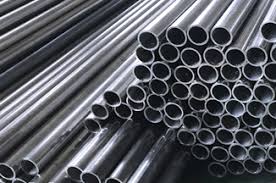
Structural steel pipes are hollow steel sections designed specifically for supporting loads and creating stable frameworks. They are manufactured in different shapes, including circular, square, and rectangular sections, depending on project requirements.
Unlike traditional solid steel sections, hollow pipes provide excellent strength while using less material. This makes them efficient for construction because they reduce overall weight without compromising structural performance.
They are commonly used in:
- Building frameworks
- Bridges
- Industrial structures
- Warehouses
- Towers
- Transportation projects
- Engineering applications
1. High Strength and Structural Stability
One of the main reasons structural steel pipes are essential is their exceptional strength.
Engineering structures must handle various forces, including:
- Weight pressure
- Wind forces
- Vibrations
- External loads
- Environmental stress
Structural pipes distribute these forces effectively, improving overall stability and safety.
For high-rise buildings, industrial plants, and infrastructure projects, strong structural support is critical. Steel pipes provide dependable performance and help create safer structures.
2. Lightweight Yet Durable Construction
A major advantage of structural steel pipes is their high strength-to-weight ratio.
Because they are hollow, they require less steel material compared to many solid sections while maintaining excellent load-bearing capability.
This provides several benefits:
- Easier transportation
- Faster installation
- Lower structural weight
- Reduced construction complexity
For modern projects where efficiency and speed are important, lightweight structural solutions offer significant advantages.
3. Flexibility in Engineering Design
Modern architecture focuses on innovative designs, unique structures, and functional spaces. Structural steel pipes provide engineers with greater design freedom.
They can be used to create:
- Large open spaces
- Curved structures
- Modern frameworks
- Customized designs
- Complex architectural forms
Their adaptability allows architects and engineers to achieve creative designs while maintaining structural safety.
This flexibility has made structural pipes popular in commercial buildings, stadiums, airports, and industrial facilities.
4. Ideal Solution for Industrial Construction
Industrial projects require materials that can withstand heavy operations and demanding environments.
Structural steel pipes are widely used in:
- Manufacturing plants
- Factories
- Storage facilities
- Power projects
- Processing units
They provide strong frameworks for machinery support, production areas, and large industrial structures.
Their durability helps industries reduce repair costs and maintain long-term operational efficiency.
5. Role in Infrastructure Development
Infrastructure development is one of the largest users of structural steel products.
Structural pipes are essential for:
- Bridges
- Metro systems
- Highways
- Railway structures
- Public infrastructure projects
These applications require materials that can perform under continuous usage and changing conditions.
Steel pipes offer reliability and strength, making them a trusted choice for infrastructure engineers.
6. Sustainable Construction Benefits
Sustainability has become a major priority in modern engineering.
Structural steel supports environmentally responsible construction because:
- Steel is recyclable
- It reduces material waste
- It provides long-lasting performance
- It supports efficient designs
Using durable steel solutions reduces the need for frequent replacements, helping conserve resources.
Many modern projects focus on sustainable construction practices, and structural steel pipes contribute significantly to these goals.
7. Cost Efficiency and Long-Term Value
Although material selection is an important investment, structural steel pipes provide excellent long-term value.
Their benefits include:
- Lower maintenance requirements
- Longer lifespan
- Faster construction
- Reduced downtime
For businesses and developers, choosing reliable structural materials helps improve project efficiency and overall profitability.
Future of Structural Steel Pipe Applications
The future of engineering will focus on smarter, stronger, and more sustainable construction methods.
As cities grow and industries expand, demand for structural steel pipes will continue to increase.
Future applications will include:
- Smart infrastructure
- Sustainable buildings
- Advanced industrial facilities
- Renewable energy projects
- Modern transportation systems
Structural steel pipes will remain a fundamental material in creating safe and efficient structures.
Conclusion
Structural steel pipes are an essential part of modern engineering projects because they combine strength, flexibility, durability, and sustainability. Their ability to support diverse applications makes them valuable across construction, industrial, and infrastructure sectors.
From bridges and commercial buildings to factories and large-scale engineering projects, structural steel pipes provide the foundation for reliable development.
Strong materials create stronger possibilities, and structural steel continues to build the future of modern engineering.
FAQs
1. What are structural steel pipes used for?
Structural steel pipes are used for construction frameworks, industrial structures, bridges, machinery supports, pipelines, and infrastructure projects requiring strength and durability.
2. Why are steel pipes preferred in modern engineering?
Steel pipes provide high strength, long service life, design flexibility, and excellent resistance against heavy loads and environmental conditions.
3. Are structural steel pipes suitable for industrial projects?
Yes, they are widely used in factories, warehouses, power plants, and heavy engineering applications due to their reliability and performance.
4. How long do structural steel pipes last?
With proper protection, maintenance, and quality manufacturing, structural steel pipes can provide reliable service for many decades.
5. Are structural steel pipes environmentally friendly?
Yes, steel is recyclable and supports sustainable construction practices by reducing waste and improving resource efficiency.
6. Can structural steel pipes be customized?
Yes, steel pipes can be manufactured in different sizes, shapes, thicknesses, and specifications based on engineering requirements.
7. What industries depend on structural steel pipes?
Construction, infrastructure, manufacturing, transportation, energy, and heavy engineering industries commonly depend on structural steel pipes.
📞Contact Kedia Pipes
📍 Serving Across Eastern India
📞 Call: +91-9831282878 / 9831007555 / 8420007174
🌐 Visit: www.kediapipes.com
📩 Email: ajay.agarwal@kediapipes.com | bijit.sarswat@kediapipes.com
Structural Steel Pipes | Steel Pipe Solutions | Industrial Steel Pipes | Construction Materials | Engineering Steel Solutions | Heavy Engineering Materials | Infrastructure Development | Steel Pipe Manufacturer | Structural Steel Supplier | Industrial Construction Solutions | High Strength Steel Pipes | Steel Fabrication Materials | Commercial Steel Structures | Durable Steel Frameworks | Modern Engineering Solutions | Industrial Infrastructure Materials | Quality Steel Products | Steel Construction Applications | Reliable Steel Manufacturer | Advanced Structural Solutions