Introduction
The logistics industry is evolving at an unprecedented pace. The rapid growth of e-commerce, manufacturing, retail, and global trade has created an increasing demand for warehouses that are not only larger but also smarter, faster to build, and capable of adapting to future business needs.
Imagine a logistics company preparing for a major expansion. Customer orders are increasing daily, transportation networks are expanding, and inventory volumes continue to rise. The company needs a warehouse that can become operational quickly, maximize storage capacity, reduce maintenance costs, and support future automation. Traditional construction methods often struggle to meet these expectations due to lengthy timelines and higher lifecycle expenses.
This is where Pre-Engineered Building (PEB) warehouses have transformed modern logistics infrastructure. Designed with precision-engineered steel components, PEB warehouses offer faster construction, large clear-span spaces, energy-efficient designs, and long-term durability, making them the preferred choice for modern supply chain operations.
With over 50 years of industry expertise, Kedia Pipes has been supporting industrial and logistics development across Eastern India by supplying premium structural steel, roofing systems, and PEB building solutions that help businesses build reliable, scalable, and future-ready warehouse infrastructure.
Target Audience: Logistics companies, warehouse developers, supply chain managers, e-commerce businesses, industrial business owners, architects, civil engineers, contractors, project consultants, infrastructure developers, manufacturing companies, and commercial builders across Eastern India.
What Are PEB Warehouses?
Understanding Pre-Engineered Warehouse Systems
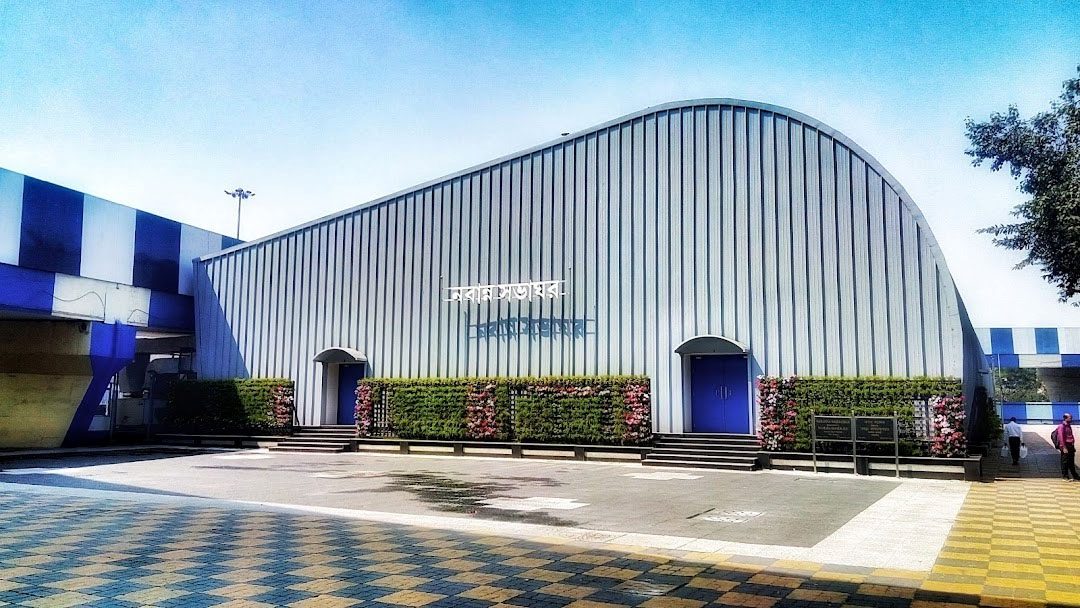
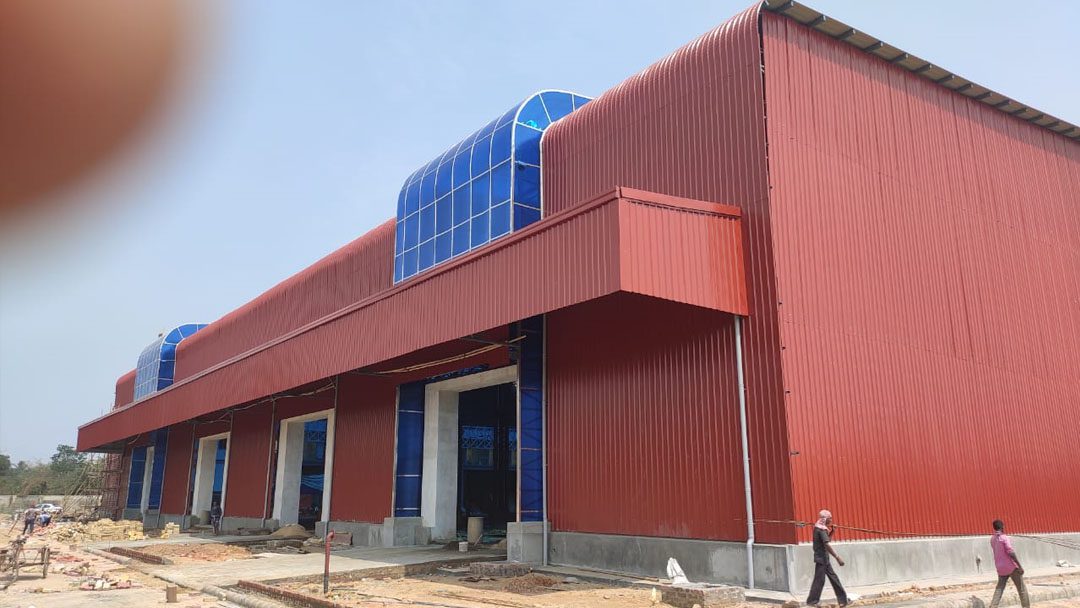
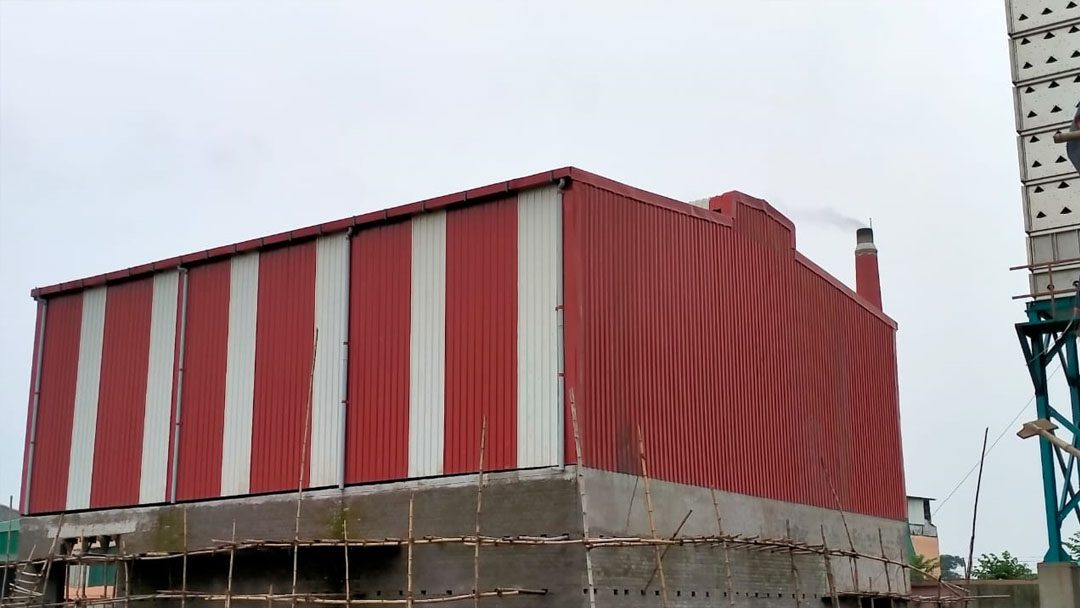
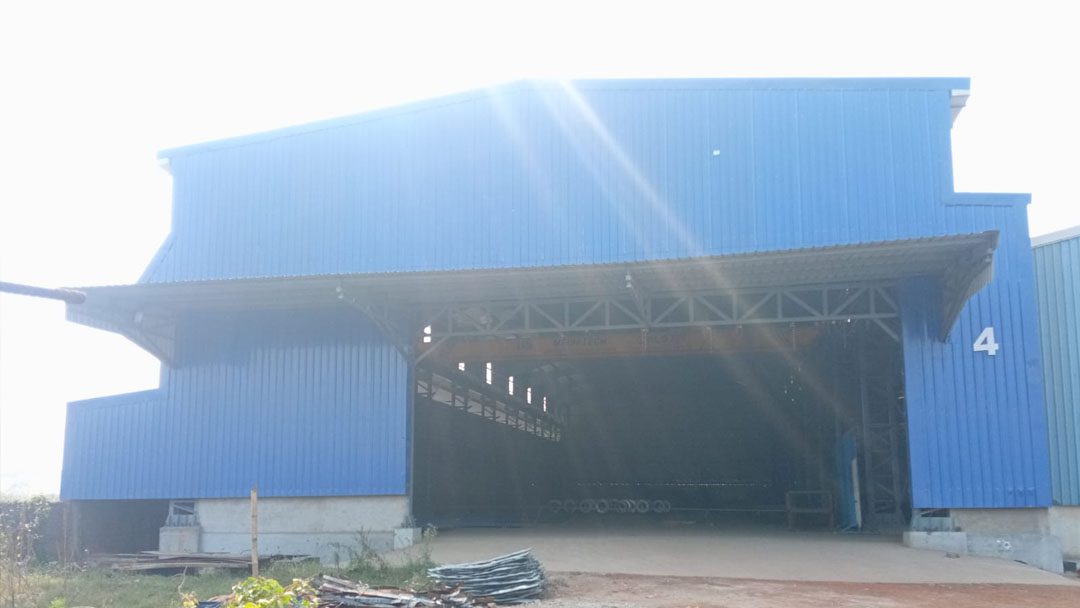
PEB warehouses are industrial storage facilities constructed using factory-engineered steel components that are manufactured with precision and assembled efficiently on-site.
Unlike traditional construction, PEB systems reduce project timelines while delivering high structural performance, flexibility, and long-term reliability.
Common Applications
- Logistics hubs
- Distribution centers
- E-commerce fulfillment centers
- Cold storage warehouses
- Manufacturing storage facilities
- FMCG warehouses
- Agricultural storage units
- Pharmaceutical warehouses
- Export and import warehouses
Why Logistics Infrastructure Is Rapidly Changing
Growth of E-Commerce
Consumers now expect faster deliveries, increasing demand for strategically located warehouses.
Supply Chain Expansion
Manufacturers and distributors require efficient storage and inventory management.
Warehouse Automation
Modern logistics increasingly depends on robotics, automated storage systems, and digital inventory management.
Business Scalability
Companies require warehouse infrastructure that grows alongside business expansion.
Challenges with Traditional Warehouse Construction
Conventional warehouse construction often creates operational limitations.
Long Project Timelines
Extended construction delays business operations and revenue generation.
Higher Construction Costs
Longer project durations increase labor, financing, and material costs.
Limited Expansion Flexibility
Traditional buildings are more difficult and expensive to expand.
Restricted Interior Space
Multiple columns reduce storage efficiency and equipment movement.
Signs Your Logistics Infrastructure Needs Modernization
Businesses should regularly assess warehouse performance.
Common Indicators
- Insufficient storage capacity
- Slow inventory movement
- Rising maintenance costs
- High energy consumption
- Limited loading dock efficiency
- Frequent operational bottlenecks
- Difficulty expanding facilities
- Poor warehouse layout
Recognizing these issues early helps businesses invest in infrastructure that supports long-term operational success.
Benefits of PEB Warehouses for Logistics Companies
1. Faster Construction
Factory-manufactured steel components significantly reduce construction time.
Advantages
- Earlier warehouse operations
- Faster return on investment
- Lower labor requirements
- Reduced project delays
2. Large Clear-Span Interiors
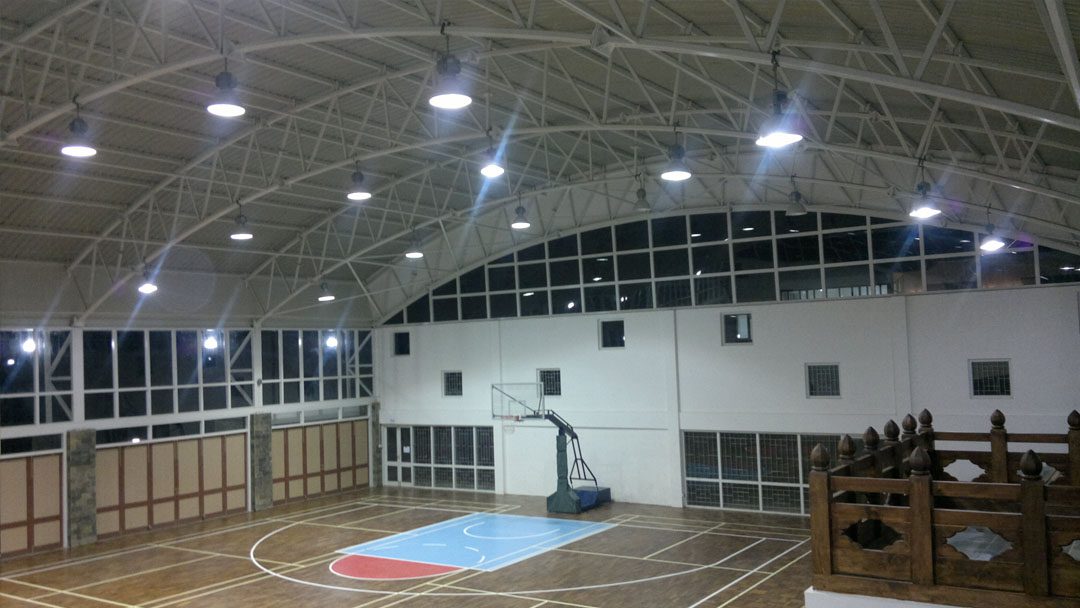
PEB warehouses provide spacious, column-free interiors that maximize storage capacity.
Benefits include:
- Better inventory organization
- Efficient forklift movement
- Flexible warehouse layouts
- Increased storage efficiency
3. Superior Structural Strength
High-quality structural steel supports heavy industrial loads while providing long-term durability.
4. Easy Future Expansion
PEB systems are designed for seamless expansion as warehouse requirements increase.
5. Energy-Efficient Design
Modern PEB warehouses support:
- Insulated roofing systems
- Natural daylighting
- Ridge ventilation
- Solar panel integration
- Reflective roofing technologies
These features help reduce operating costs.
6. Lower Maintenance Costs
Premium steel structures require fewer repairs, improving long-term cost efficiency.
Real-World Example
A growing logistics company in Eastern India planned a regional distribution center to support increasing e-commerce demand.
Instead of conventional construction, the company selected a PEB warehouse solution.
Project Outcomes
- Faster project completion
- Increased storage capacity
- Improved loading efficiency
- Reduced maintenance expenses
- Lower energy consumption
- Easy future warehouse expansion
The project demonstrated how PEB warehouses enhance logistics efficiency while supporting long-term business growth.
Practical Tips for Planning a PEB Warehouse
Plan for Business Growth
Design warehouses that accommodate future inventory expansion.
Choose Certified Structural Steel
Quality materials improve safety and long-term durability.
Optimize Internal Layout
Efficient warehouse planning improves productivity and material movement.
Invest in Advanced Roofing
Insulated roofing improves energy efficiency while protecting stored goods.
Partner with Experienced Suppliers
Reliable suppliers provide engineering expertise, quality materials, and dependable project execution.
Common Mistakes to Avoid
Avoid these frequent warehouse planning errors:
- Choosing construction based only on initial cost
- Ignoring future expansion requirements
- Underestimating storage demand
- Using inferior structural steel
- Overlooking ventilation systems
- Delaying preventive maintenance
- Ignoring drainage planning
Expert Advice
Warehouse infrastructure should be viewed as a long-term strategic investment rather than a short-term construction project.
Industry experts recommend selecting certified structural steel, energy-efficient roofing systems, optimized warehouse layouts, and experienced engineering partners to maximize operational performance and lifecycle value.
With over five decades of experience, Kedia Pipes continues supporting industrial and logistics development across Eastern India by supplying dependable structural steel, roofing products, and PEB building solutions that deliver strength, efficiency, and reliability.
Future Outlook of PEB Warehouses
The future of logistics infrastructure will increasingly include:
- AI-powered warehouse management
- Smart inventory systems
- Automated storage and retrieval
- Solar-powered warehouses
- Sustainable steel construction
- IoT-enabled warehouse monitoring
- Green logistics parks
- Modular warehouse expansion
PEB warehouses will continue leading the evolution of efficient and environmentally responsible logistics infrastructure.
Conclusion
As logistics networks continue expanding, businesses require infrastructure that delivers speed, durability, scalability, and long-term operational efficiency. PEB warehouses have emerged as the preferred solution by combining precision-engineered steel construction with energy-efficient design and future-ready flexibility.
From faster project completion and optimized storage capacity to reduced maintenance and sustainable building practices, PEB warehouses help organizations stay competitive in a rapidly changing logistics landscape.
With more than 50 years of trusted experience, Kedia Pipes continues helping industries across Eastern India develop high-performance warehouse infrastructure through premium structural steel, advanced roofing systems, and dependable PEB building solutions.
Final Thought
“The future of logistics is built on speed, strength, and smart infrastructure—and PEB warehouses provide the foundation for all three.”
Frequently Asked Questions (FAQs)
1. What is a PEB warehouse?
A PEB warehouse is a pre-engineered steel building designed for efficient storage, logistics operations, and industrial applications.
2. Why are PEB warehouses preferred for logistics?
They offer faster construction, lower maintenance, large clear-span interiors, scalability, and energy-efficient operation.
3. Can PEB warehouses be expanded later?
Yes. PEB systems are specifically designed for seamless future expansion with minimal disruption.
4. Are PEB warehouses suitable for automation?
Absolutely. Their spacious layouts support robotics, automated storage systems, and advanced warehouse technologies.
5. How energy-efficient are PEB warehouses?
Modern insulated roofing, ventilation systems, and natural lighting significantly reduce energy consumption.
6. Which industries benefit from PEB warehouses?
Logistics, manufacturing, e-commerce, pharmaceuticals, FMCG, agriculture, automotive, food processing, and retail industries.
7. Why choose Kedia Pipes for PEB warehouse solutions?
With over 50 years of industry expertise, Kedia Pipes supplies premium structural steel, roofing systems, and PEB building solutions trusted by businesses across Eastern India.
📞 Contact Kedia Pipes
📍 Serving Across Eastern India
📞 Call: +91-9831282878 / +91-9831007555 / +91-8420007174
🌐 Visit: www.kediapipes.com
📩 Email: ajay.agarwal@kediapipes.com | bijit.sarswat@kediapipes.com
🚀 Build Future-Ready Logistics Infrastructure with Kedia Pipes
🛑 Don’t let outdated warehouse construction slow your logistics operations, business expansion, and supply chain efficiency.
🏗️ If you found this guide helpful, follow Kedia Pipes for expert insights on PEB warehouses, structural steel solutions, industrial roofing systems, logistics infrastructure, warehouse construction, and sustainable industrial development.
📩 Share this article with logistics companies, warehouse developers, supply chain managers, architects, civil engineers, contractors, manufacturing businesses, infrastructure consultants, and commercial builders to spread awareness about how PEB warehouses are transforming the future of logistics infrastructure.
💬 Planning a new warehouse, logistics hub, or distribution center? Share your questions, project goals, or experiences in the comments. The Kedia Pipes team is ready to help you build stronger, smarter, and future-ready warehouse infrastructure.