Introduction
Across the world, industries are rethinking how they design and build infrastructure. Rising environmental concerns, stricter regulations, increasing energy costs, and the demand for long-lasting facilities have shifted the focus from traditional construction methods to more sustainable alternatives.
Imagine a manufacturing company planning a new industrial facility. The management wants a building that not only supports production today but also reduces energy consumption, minimizes maintenance, and remains environmentally responsible for decades. Instead of conventional construction materials, they choose engineered steel structures combined with modern PEB technology. The result is a facility that is faster to build, easier to expand, energy-efficient, and capable of supporting future sustainability goals.
This growing preference is no coincidence. Steel structures have become one of the most sustainable choices for industrial, commercial, and infrastructure projects because they combine strength, durability, recyclability, and design flexibility with lower lifecycle costs.
With more than 50 years of industry expertise, Kedia Pipes has been helping businesses across Eastern India build reliable industrial infrastructure through premium structural steel, roofing systems, and PEB building solutions designed for long-term performance and sustainability.
Target Audience: Industrial business owners, infrastructure developers, architects, civil engineers, contractors, manufacturing companies, logistics providers, warehouse developers, project consultants, government agencies, and commercial builders across Eastern India.
What Is Sustainable Infrastructure?
Understanding Sustainable Construction
Sustainable infrastructure refers to buildings and facilities designed to minimize environmental impact while maximizing operational efficiency, durability, and resource conservation throughout their lifecycle.
Steel structures contribute significantly by providing:
- Long service life
- High recyclability
- Reduced construction waste
- Faster project completion
- Energy-efficient building systems
- Adaptability for future expansion
Why Steel Structures Are Essential for Sustainable Infrastructure
Growing Environmental Awareness
Industries are under increasing pressure to reduce carbon emissions and improve environmental performance.
Demand for Durable Buildings
Businesses seek infrastructure that lasts for decades with minimal maintenance.
Need for Energy Efficiency
Industrial facilities must reduce operating costs while improving environmental responsibility.
Support for Circular Economy
Steel can be reused and recycled repeatedly without significant loss of quality.
Challenges with Conventional Construction
Traditional construction methods often face sustainability limitations.
Higher Material Waste
Conventional construction typically generates more on-site waste.
Longer Construction Time
Extended project durations increase resource consumption and labor costs.
Limited Flexibility
Expanding conventional buildings often requires significant demolition and reconstruction.
Higher Lifecycle Costs
Frequent maintenance and repairs increase long-term operational expenses.
Signs Your Infrastructure May Not Be Sustainable
Businesses should regularly evaluate the performance of their facilities.
Common Indicators
- High energy bills
- Frequent maintenance
- Poor insulation
- Difficulty expanding facilities
- Excessive material waste
- Water leakage issues
- Rising operating costs
- Reduced operational efficiency
Addressing these issues early can improve long-term sustainability and profitability.
How Steel Structures Support Sustainable Infrastructure
1. Recyclability
Steel is one of the world’s most recyclable construction materials.
Environmental Benefits
- Reduced landfill waste
- Lower demand for virgin materials
- Conservation of natural resources
- Support for circular construction practices
2. Long Service Life
Properly engineered steel structures maintain structural integrity for decades with routine maintenance.
This reduces the environmental impact associated with repeated reconstruction.
3. Faster Construction
Factory-fabricated steel components significantly reduce construction time.
Advantages
- Less on-site waste
- Lower labor requirements
- Reduced equipment usage
- Faster project completion
4. Energy Efficiency
Modern steel buildings support sustainable building technologies, including:
- Insulated roofing systems
- Natural ventilation
- Daylighting through skylights
- Solar panel integration
- Reflective roofing materials
These features lower energy consumption and operating costs.
5. Efficient Material Usage
Steel structures are precision-engineered to optimize material consumption while maintaining structural performance.
6. Flexible Expansion
Steel buildings can be modified or expanded with minimal demolition, reducing material waste and future construction costs.
Real-World Example
A logistics company in Eastern India wanted to establish a new distribution center while reducing operational costs and environmental impact.
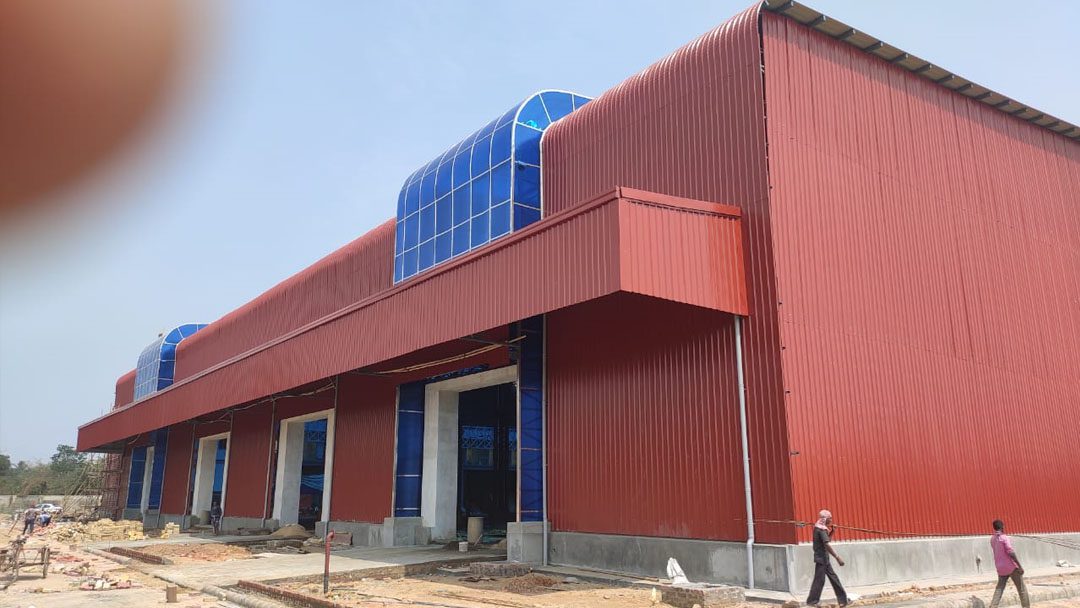
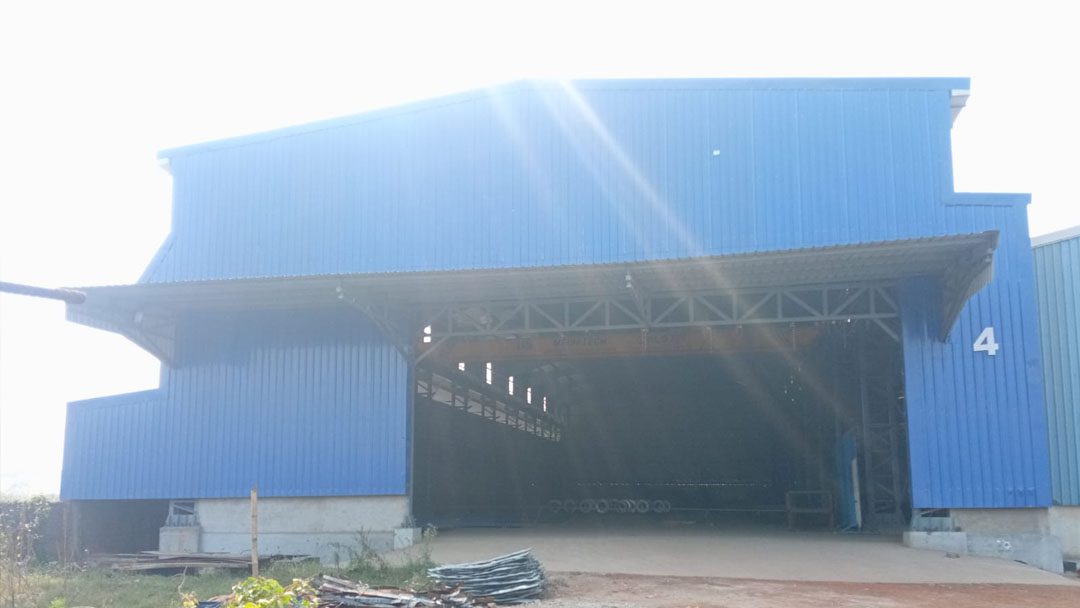
The company selected a steel-based PEB warehouse featuring insulated roofing, natural lighting, and energy-efficient ventilation.
Project Benefits
- Faster construction
- Lower electricity consumption
- Reduced maintenance
- Expandable warehouse design
- Improved operational efficiency
- Lower lifecycle costs
The project demonstrated how steel structures contribute directly to sustainable industrial development.
Practical Tips for Sustainable Steel Infrastructure
Choose Certified Structural Steel
Quality materials improve durability and reduce future repairs.
Use Energy-Efficient Roofing
Insulated roofing lowers indoor temperatures and energy consumption.
Design for Future Expansion
Flexible designs reduce demolition and reconstruction.
Prioritize Preventive Maintenance
Regular inspections maximize building lifespan.
Partner with Experienced Suppliers
Reliable suppliers ensure consistent quality, engineering expertise, and dependable project execution.
Common Mistakes to Avoid
Avoid these sustainability challenges:
- Choosing low-quality steel
- Ignoring energy-efficient roofing
- Underestimating future expansion
- Delaying preventive maintenance
- Poor drainage planning
- Ignoring insulation requirements
- Selecting suppliers based only on cost
Expert Advice
Sustainability should be considered from the earliest stages of project planning—not added later.
Industry experts recommend combining certified structural steel, energy-efficient roofing systems, optimized building design, and professional engineering to maximize environmental performance and long-term value.
With more than five decades of experience, Kedia Pipes continues supporting sustainable industrial development across Eastern India by supplying dependable structural steel, roofing products, and PEB building solutions that balance durability, efficiency, and environmental responsibility.
Future Outlook of Sustainable Steel Infrastructure
The future of industrial construction will increasingly focus on smart, sustainable technologies.
Emerging trends include:
- Green steel manufacturing
- AI-assisted structural engineering
- Solar-integrated steel buildings
- Smart energy management systems
- Carbon-neutral industrial facilities
- IoT-enabled building monitoring
- Modular construction
- Circular economy construction practices
Steel structures will remain central to the next generation of environmentally responsible infrastructure.
Conclusion
Sustainable infrastructure is no longer an option—it is becoming the foundation of responsible industrial growth. Steel structures offer a unique combination of durability, recyclability, energy efficiency, and flexibility that helps businesses reduce environmental impact while improving long-term operational performance.
From faster construction and lower maintenance to future-ready expansion and green building compatibility, steel continues to redefine modern industrial construction.
With over 50 years of trusted expertise, Kedia Pipes remains committed to supporting sustainable infrastructure development across Eastern India through premium structural steel, advanced roofing systems, and PEB building solutions designed to meet today’s needs and tomorrow’s challenges.
Final Thought
“Sustainable infrastructure starts with smart material choices—steel structures build stronger businesses while protecting the future of our environment.”
Frequently Asked Questions (FAQs)
1. Why are steel structures considered sustainable?
Steel is highly recyclable, durable, energy-efficient, and supports reduced construction waste and long-term environmental performance.
2. How do steel structures reduce environmental impact?
They minimize material waste, support recycling, improve energy efficiency, and require fewer replacement materials over time.
3. Are steel buildings suitable for green construction?
Yes. Steel structures integrate easily with solar panels, insulated roofing, natural lighting, and other sustainable technologies.
4. Can steel buildings be expanded without major reconstruction?
Yes. Steel structures are designed for flexible expansion with minimal demolition and reduced material waste.
5. How long do sustainable steel buildings last?
With proper engineering and maintenance, steel buildings can provide reliable service for several decades.
6. Which industries benefit most from sustainable steel infrastructure?
Manufacturing, logistics, warehousing, agriculture, pharmaceuticals, food processing, retail, commercial, and infrastructure sectors.
7. Why choose Kedia Pipes for sustainable steel solutions?
With over 50 years of expertise, Kedia Pipes supplies premium structural steel, roofing systems, and PEB building solutions that help businesses create durable, efficient, and environmentally responsible infrastructure.
📞 Contact Kedia Pipes
📍 Serving Across Eastern India
📞 Call: +91-9831282878 / +91-9831007555 / +91-8420007174
🌐 Visit: www.kediapipes.com
📩 Email: ajay.agarwal@kediapipes.com | bijit.sarswat@kediapipes.com
🌱 Build Sustainable Infrastructure with Kedia Pipes
🛑 Don’t let outdated construction methods limit your sustainability goals, operational efficiency, and long-term business growth.
🏗️ If you found this guide helpful, follow Kedia Pipes for expert insights on sustainable steel structures, PEB buildings, industrial roofing systems, structural steel solutions, green infrastructure, and modern industrial construction.
📩 Share this article with industrial business owners, architects, civil engineers, contractors, warehouse developers, logistics professionals, manufacturing companies, infrastructure consultants, and commercial builders to spread awareness about how steel structures support sustainable infrastructure and long-term industrial success.
💬 Are you planning a sustainable industrial building or upgrading your existing infrastructure? Share your questions, project ideas, or experiences in the comments. The Kedia Pipes team is ready to help you create stronger, smarter, and more sustainable industrial infrastructure.